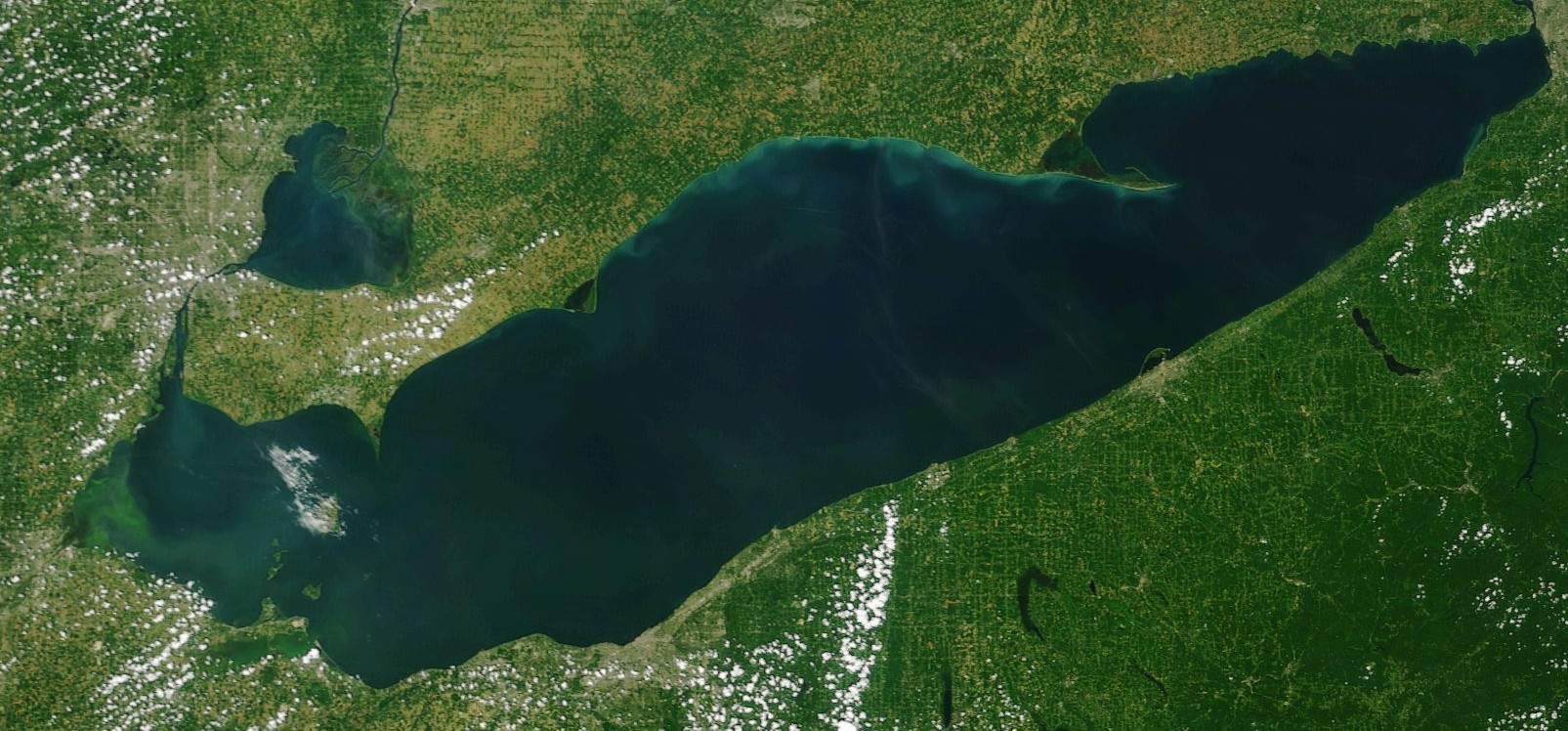
If you have been to Lake Erie in late summer, you probably saw an algae bloom of some sort. Us fisherman and boaters have been dealing with these blooms as long as I can remember.
Algae in Lake Erie
| Key Fact | Details |
|---|---|
| Nutrient Runoff is the Primary Driver | Phosphorus from agricultural fertilizers, urban runoff, and wastewater is the main cause of algae blooms in Lake Erie. |
| Climate Exacerbates Algae Growth | Warmer temperatures and increased rainfall promote algae growth by creating favorable conditions and washing more nutrients into the lake. |
| Algae Blooms Are Visible From Space | Satellite imagery from NASA and NOAA tracks algae bloom size, location, and severity to aid in research and management. |
| Algae Impacts Lake Erie’s Economy | Blooms cost millions annually, affecting tourism, fisheries, and property values, while disrupting industries like charter fishing and recreation. |
| Efforts to Reduce Algae Growth Are Ongoing | Strategies like phosphorus reduction targets, agricultural best practices, water treatment improvements, and international cooperation aim to combat the issue. |
What Is Algae and How Does It Affect Lake Erie?
What is algae?
Algae are simple, plant-like organisms that grow in water. They play an essential role in aquatic ecosystems, producing oxygen through photosynthesis and serving as food for various marine species. However, not all algae are beneficial. Some can grow excessively under certain conditions, disrupting ecosystems and creating harmful algal blooms.
Why does algae thrive in Lake Erie?
Lake Erie is particularly prone to algae growth due to its warm, shallow waters. The western basin, in particular, creates an ideal environment for algae to live. Runoff containing phosphorus and nitrogen, primarily from agricultural fertilizers, urban areas, and wastewater fuels the growth. These nutrients act as a “fertilizer” for algae, causing rapid and uncontrolled blooms.
Impact of algae on Lake Erie’s ecosystem
Excessive algae disrupts the lake’s delicate ecosystem. These blooms block sunlight, affecting underwater plants and the food chain. Additionally, certain types of algae release toxins that harm fish, wildlife, and humans. I have seen warnings on the beaches of Lake Erie during harmful algae blooms.
What Is Being Done to Address Algae in Lake Erie?
Local and Regional Efforts
Local governments and organizations are implementing strategies to reduce algae growth. The Western Lake Erie Basin Collaboration focuses on reducing nutrient runoff by promoting sustainable agricultural practices.
International Cooperation
The U.S. and Canada work together under the Great Lakes Water Quality Agreement to reduce phosphorus loading in Lake Erie. These efforts include setting targets for phosphorus reduction and monitoring progress.
Technology and Innovation
Advances in technology are playing a significant role in addressing algae issues. Predictive models help forecast blooms, while innovative water treatment methods remove toxins. Researchers are also exploring ways to capture and reuse phosphorus from runoff.