
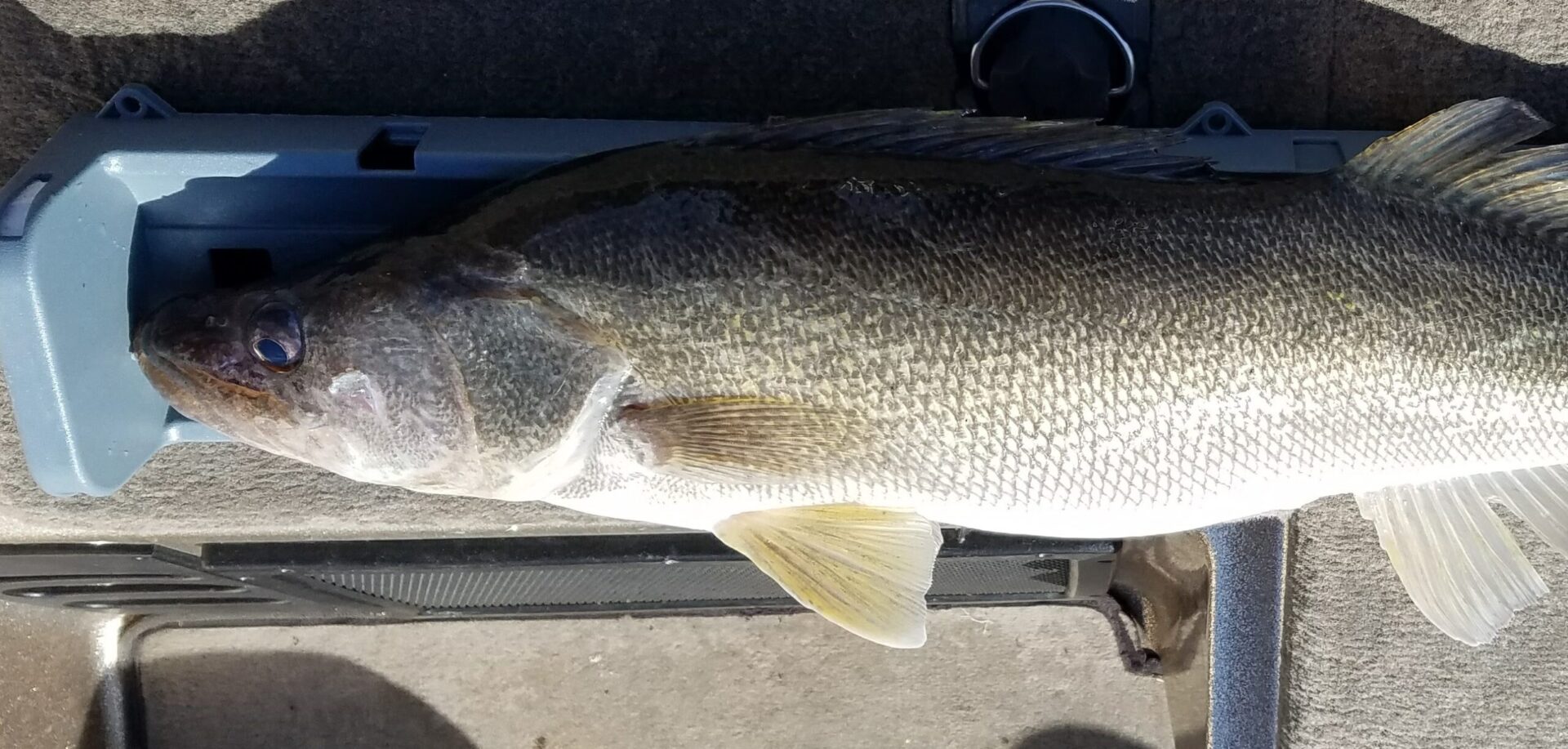
If you’re an experienced fisherman but have never fished for walleye, you’ll find that many of the techniques you already know apply. Techniques like casting, jigging, and trolling are commonly used for walleye, so the learning curve isn’t as steep as you might expect. The biggest adjustment is learning to locate walleye. We break down the basics for you in this beginners guide.
What Makes Walleye Fishing So Popular?
Walleye fishing is intriguing and popular because of their taste, size, and hard fighting attitude. Walleye are easily accessible and found throughout the North and also some areas in the South. They can also be caught from a boat or from the shore, making them available to more people.
Walleye can be caught throughout the year. Although, Fall through Spring is the best time to catch trophies. Lastly, to keep it interesting, walleye can be caught on a variety of techniques and bait. This keeps the challenge going!
Rods and Reels for Walleye Fishing
Selecting the Best Rod
For beginners, choosing the right rod ensures both comfort and success. A 6’6” to 7’ medium-light spinning rod with fast action is perfect. The fast action tip helps detect subtle walleye bites, which are often light and easy to miss. A rod with a sturdy backbone ensures you can set the hook effectively and reel in larger fish.
Characteristics of a Good Walleye Rod:
| Feature | Why It Matters |
|---|---|
| Medium-Light Power | Balanced strength and sensitivity. |
| Fast Action Tip | Detects light bites quickly. |
| Durable Material | Graphite or carbon fiber rods work best. |
Choosing the Right Reel
A spinning reel is beginner-friendly and pairs well with the rod mentioned above. Look for features like a smooth drag system (important for preventing line breaks) and a gear ratio between 5:1 and 6:1.
- Reel Size: A 2000-3000 size reel is ideal for walleye fishing.
Fishing Line for Walleye
The type of line you choose depends on where and how you are fishing for walleye. For example, if you are fishing in clear water, fluorocarbon line is a must. If you need casting distance, you might use braid to a mono leader.
Different Line Types and Their Uses
- Monofilament: Stretchy, forgiving, and affordable, monofilament is ideal for shallow water or trolling with crankbaits.
- Braided Line: Thin, strong, and sensitive, braided line is perfect for jigging or fishing in heavy vegetation. Braided line is also used when trolling divers on the great lakes. Less stretch is better!
- Fluorocarbon: Invisible underwater, fluorocarbon excels in clear water and for finesse fishing.
Matching Line to Techniques
- Jigging: Use braided line for increased sensitivity and casting distance.
- Trolling: Monofilament for crankbaits, Braid for divers.
- Finesse Fishing: Fluorocarbon works best for picky walleyes.
Fishing Live Bait for Walleye
Why Live Bait is so Good
Walleye rely heavily on their sense of smell and movement detection, making live bait an excellent choice. The natural scent and behavior of live bait attract walleye more effectively than artificial lures in many situations.
Best Live Bait Options
- Minnows: Perfect for colder water or springtime.
- Nightcrawlers: Work well during summer months and for bottom-feeding walleye.
- Leeches: A favorite in warm waters during late spring and early summer.
Pro Tip: Use live bait in combination with rigs like slip bobbers or bottom bouncers to keep it in the strike zone longer.
Walleye Jigs
Why Jigs Are Irresistible
There are a few different types of jigs for walleye fishing. First, there are bottom jigs. These jigs are weighted and typically have hair on them. These should be fished on the bottom, mimicking bottom feeding bait.
Second, there are jigs for fishing suspended walleye. These are typically 1/8-1/4 ounce jigs tipped with live crawlers or artificial lures. These are used while fishing with forward facing sonar for suspended walleye.
How to Choose Jigs
- Weight: Start with 1/8 oz to 1/4 oz for shallow waters. Use 3/8 oz or heavier for deeper or fast-moving waters.
- Color: Chartreuse, orange, and pink work well in murky water, while natural colors like green and white are better for clear water.
Techniques for Jig Fishing
- Vertical Jigging: Drop the jig to the bottom, lift it slightly, and let it fall back. This mimics injured prey and triggers bites.
- Casting and Dragging: Cast the jig and retrieve it slowly while keeping it near the bottom.
Best Walleye Lures
Top Lures to Try
- Crankbaits: Great for covering large areas. On the Great Lakes use bandits, husky jerks, and P10’s.
- Soft Plastics: Mimic minnows or worms effectively. Northland Tackle makes a great soft plastic.
- Blade Baits: Emit vibrations to draw strikes from aggressive fish.
Walleye Fishing Terminal Tackle
Essential Tackle
- Hooks: Size 2 or 4 for live bait.
- Sinkers: Use split shot for precision and egg sinkers for rigs.
- Swivels: Prevent line twist when trolling or using spinning lures.
Where to Fish for Walleye
Prime Walleye Locations
- Lakes: Target weed edges, rock piles, and submerged humps. If a lake has current, find where it is the strongest. In the summertime, target large flats that hold bait such as shiners and smelt.
- Rivers: Look for current seams, deep holes, and bends. In the spring, target shallow gravel bars for spawning fish.
Walleye Fishing Techniques
Key Strategies
- Drift Fishing: Perfect for covering large areas while maintaining precise bait depth.
- Trolling: Allows anglers to locate active fish efficiently. This is popular on inland lakes, rivers, and the Great Lakes in the summer.
- Jigging: Ideal for targeting walleye holding close to the bottom.
Hopefully, this short beginner’s guide to walleye fishing will help you catch more fish this year. Remember, nothing replaces time on the water to better your skills but using this guide will give you a head start!